How to Tell If Your Arizona Property Is ADU Ready
An ADU casita can turn unused yard space into something that actually works for your life. It can be a quiet guest house for family, a private home office, or a rental that helps cover your mortgage while still fitting the desert lifestyle.
Across Arizona, more homeowners are looking at an ADU in Arizona as prices rise, families share homes longer, and short-term rentals stay popular. The big question is not if an ADU sounds nice, but if your specific lot is a good fit. That is what we are going to sort out together.
We will walk through the main signs that your property is ADU-friendly, from space and access to zoning, utilities, and long-term goals. We will also share when it makes sense to bring in a turnkey ADU contractor so you are not guessing on big decisions. Early summer is a great time to plan so design and permits can move along and construction can line up with cooler months and peak rental seasons.
Lot Size, Shape, and Access That Work for ADUs
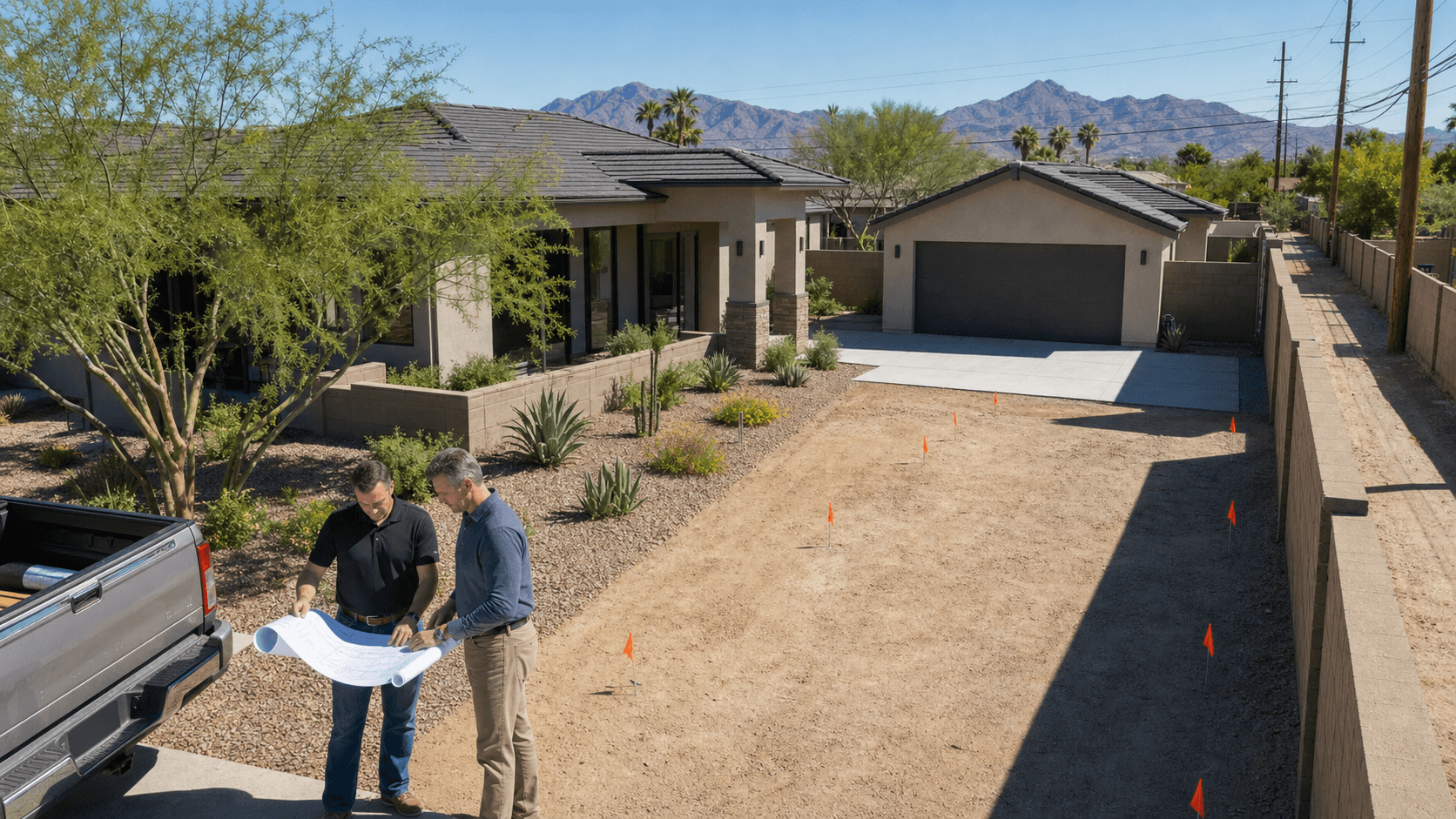
You do not need a huge piece of land to add an ADU in Arizona, but you do need smart use of space.
On a typical lot, we look for things like:
- Enough distance from property lines for setbacks
- Clear separation from the main house for privacy and comfort
- Space for a realistic ADU footprint, even a small studio or one-bedroom
Bigger or corner lots often make placement simpler, but many modest in-town lots can still work with the right layout. A deep backyard may be perfect for a private guest house, while a wide side yard might hold a compact rental casita.
Access matters just as much as size. Strong ADU lots often have:
- A side yard wide enough to bring in building materials
- Alley access for construction and, later, for tenants or guests
- A way for people to reach the ADU without walking through the main house
Good access is also important for fire and emergency services. It should be clear how someone would get to the ADU gate from the street.
Lot orientation is another quiet but powerful factor. In Arizona, we look at where the western sun hits, where neighbors can see in, and what views are worth framing. Irregular or flag lots, or those with long back sections, are often hidden gems if a design team can place the ADU to block views, protect outdoor spaces, and cut harsh afternoon light.
Zoning, HOA Rules, and Workable Permits
A great physical lot still has to pass the rule test. Many Arizona cities and towns now have more flexible options for an ADU in Arizona, but they all have their own details.
You will want to know:
- Does your zoning allow a separate guest house or ADU?
- What is the maximum ADU size and height on your lot?
- Are there extra parking rules or limits on how many people can live there?
Older neighborhoods often have slightly bigger lots and can sometimes be more forgiving on lot coverage and detached structures, though it always comes down to local code.
If you have an HOA, those rules sit on top of city rules. Your CC&Rs may:
- Limit detached buildings or second units
- Control exterior finishes, roof styles, and colors
- Restrict rentals, especially short-term stays
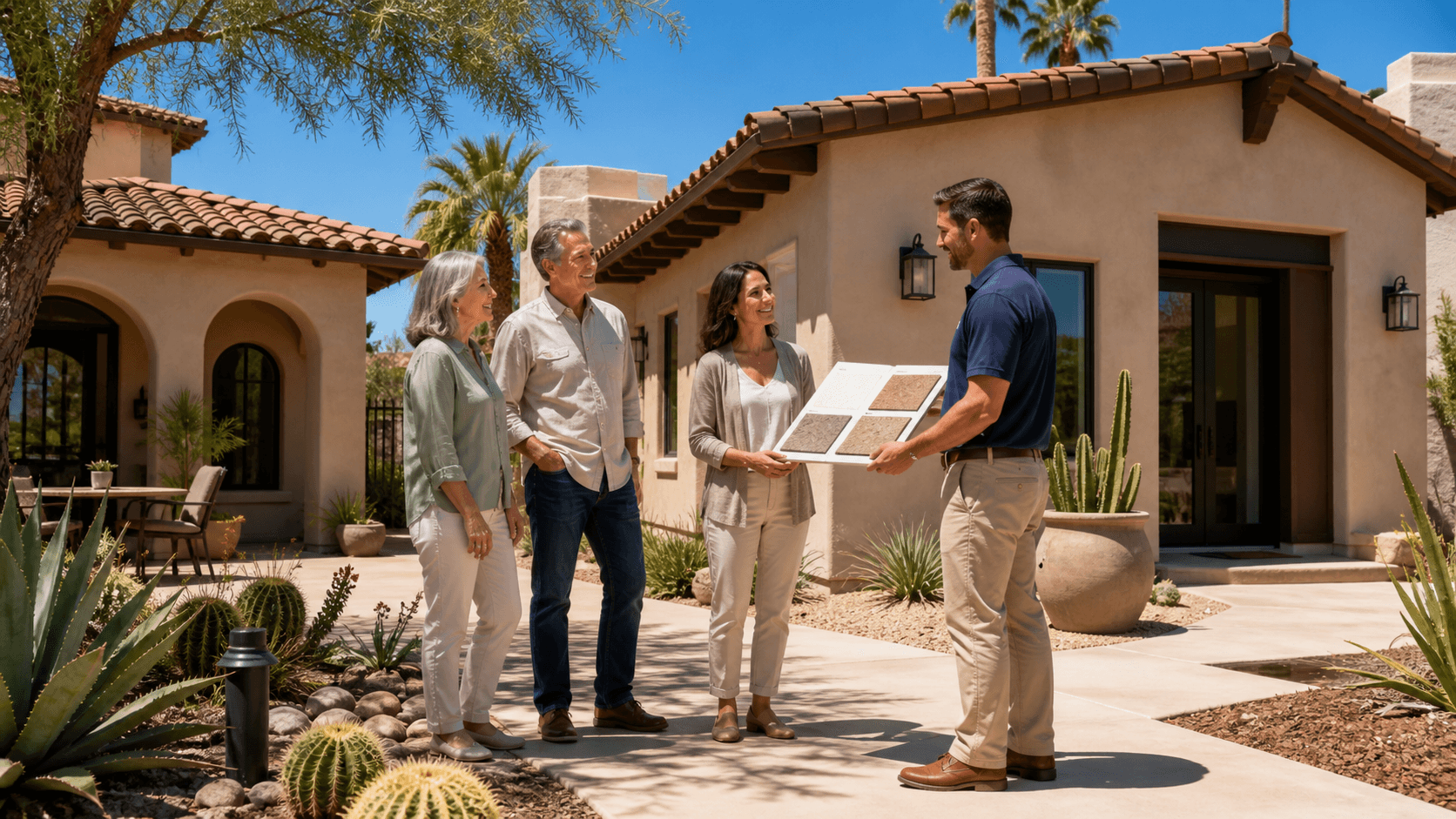
It helps to review your documents, look around the community for existing casitas, and ask your board what has been approved before. A property is not truly ADU ready if the permit path is impossible or unclear.
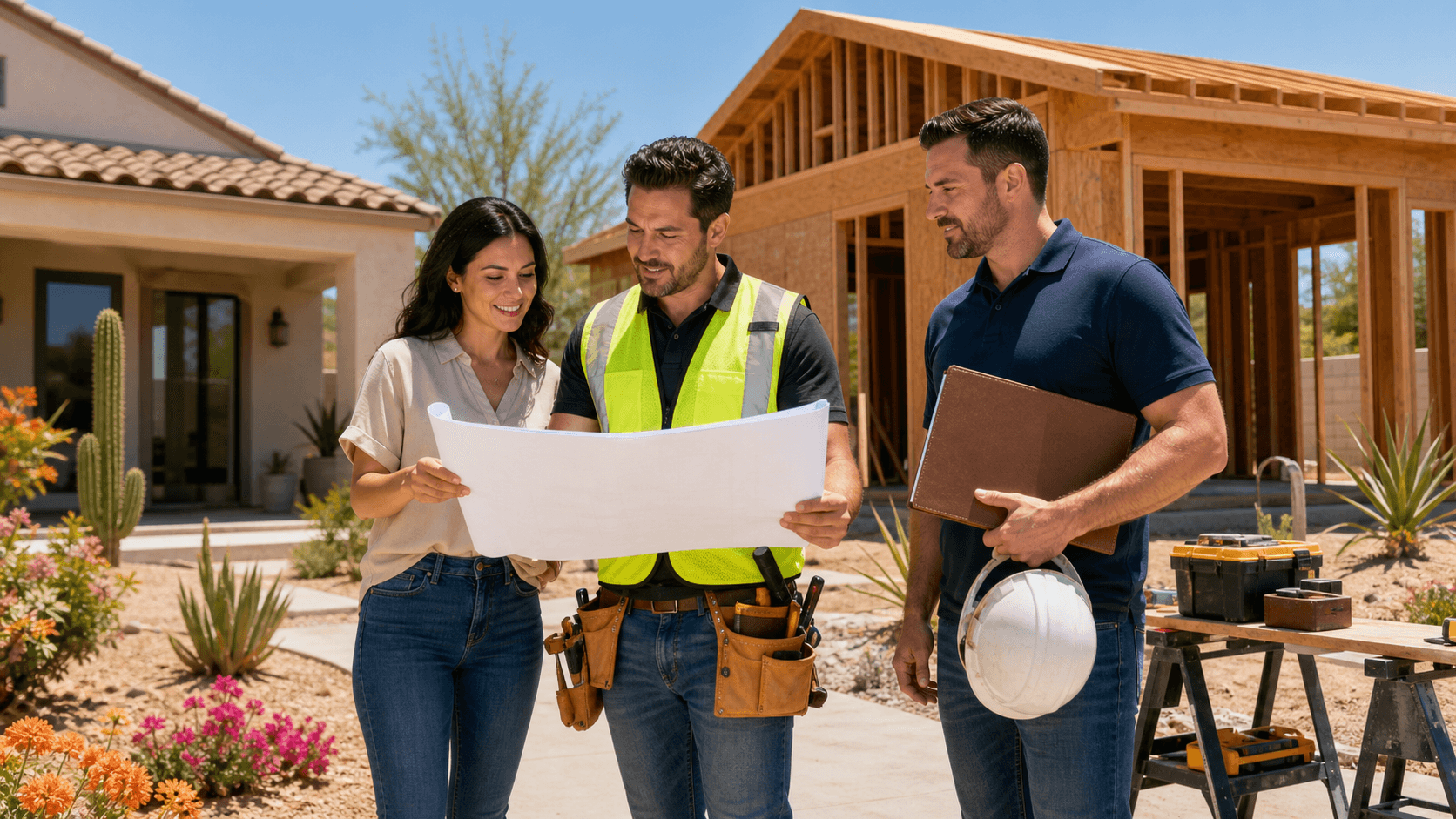
This is where a turnkey ADU contractor can make life easier. Instead of trying to guess what a city or county will allow, or how long it will take, a team that handles design and permitting can turn a confusing process into a clear plan.
Utility Capacity, Sun Exposure, and Desert Comfort
A strong ADU lot is not just about where a building can sit, but how it will actually work day to day.
From a utility angle, we look for:
- Reasonable access to sewer or a septic system that can be evaluated
- An electrical panel with enough capacity for an added unit
- Water lines that can be extended without crossing the entire property
When trenching runs are shorter and systems are not already maxed out, utility work tends to stay more predictable and less disruptive to the rest of the yard.
Then there is comfort. In our desert climate, placement can make the difference between a space that bakes and a space that feels calm. A good ADU spot allows us to:
- Turn main windows away from harsh west sun
- Add shade structures, overhangs, or porches where they will do the most good
- Set patios and sitting areas where evenings feel pleasant
Drainage also matters. Lots with gentle slopes and clear paths for rainwater make it easier to add new roofs, hardscapes, and walkways. A desert-friendly design might include:
- Xeriscaping instead of thirsty lawns
- Permeable pavers where possible
- Grading that moves water away from both the main home and the ADU
Lifestyle, Rental Demand, and Long-Term ROI
Not every "good" ADU lot is right for every goal. The best fit is when your land and your plans line up.
Think about what you want most:
- Space for aging parents or adult children
- A quiet, separate home office or studio
- A poolside casita for guests and weekend fun
- A long-term or short-term rental unit
A deep backyard may support a larger two-bedroom ADU for family, while a side yard with alley access might be perfect for a compact rental with its own entrance and small patio.
Location within the city also matters. Lots near:
- Universities and colleges
- Resort areas or popular attractions
- Major job centers or freeway access
often see stronger rental interest. Rules can differ between long-term and short-term rentals, so it is important to review local ordinances and HOA rules before counting on any specific income style.
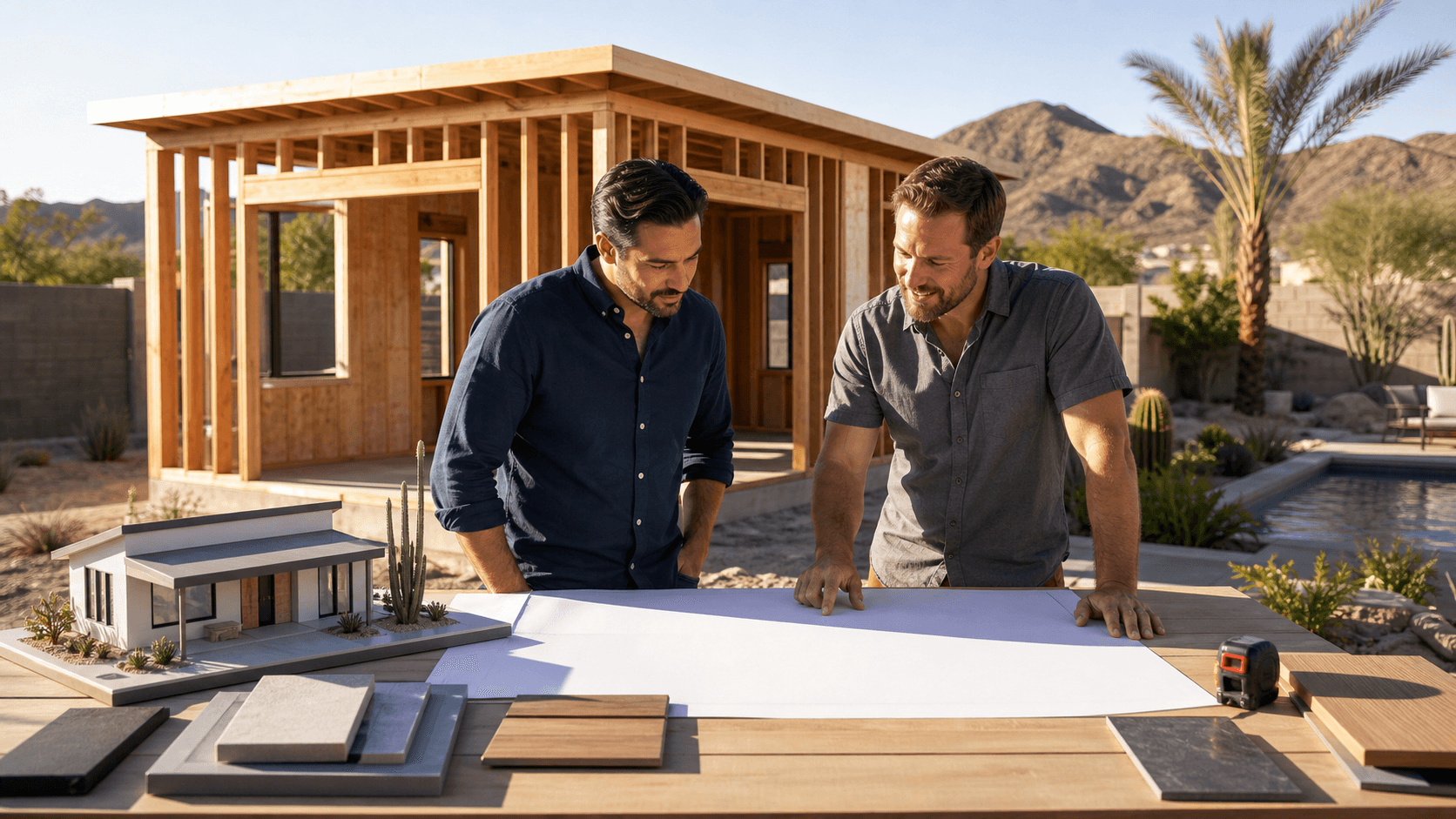
Beyond rent, a well-designed ADU casita increases total livable space and flexibility. It can serve parents now, then shift into a rental, guest house, or office later. When design choices plan for these shifts, the ADU can support your needs for many years without needing big changes.
Quick Self-Check and FAQs About Building an ADU in Arizona
A simple mental checklist can help you spot if your lot is worth a closer look. Ask yourself:
- Do you have usable space behind or beside your main home?
- Is there a reasonable path from the street to that area?
- Does your city or town generally allow an ADU in your zoning?
- Is there room for utilities and parking without moving everything on the lot?
Some red flags do not always stop a project, but they do call for expert review. These include steep or odd slopes, very tight setbacks, strict HOA rules, limited electrical capacity, or floodplain concerns. Many of these can be handled with the right design and planning, but they should never be guessed at.
When most answers are "yes" on the checklist, or if you feel stuck on any of them, that is usually the time to bring in a turnkey ADU contractor to do a full feasibility look before you get attached to a specific plan.
Here are a few quick FAQs we often hear about building an ADU in Arizona:
- How big can an ADU be on a typical Arizona lot?
Most cities allow a range that fits a studio up to a small two-bedroom, but the real limit comes from your zoning, lot coverage rules, and how much space you have after setbacks.
- Do I need separate parking for my ADU casita?
Some areas want an extra space, while others, especially near transit, may relax that rule. It is important to confirm with your local planning department.
- Can I rent my ADU on Airbnb or as a long-term rental?
Many places allow long-term rentals but may have rules about short-term stays, especially in HOAs or certain zones. Always check both city code and community rules.
- How long does it take to design and build an ADU?
From first idea to finished casita, it usually takes several months. Starting planning in summer can set you up so permits and design move along while you prepare for construction in cooler weather.
What sets a team like Prime Builders apart is a turnkey approach focused on ADUs, casitas, guest houses, rental units, and garage conversions for Arizona properties specifically. We handle design, permitting, and construction as one process, so your lot, your goals, and your ADU plan stay aligned from the first sketch to final inspection.
Get Started With Your Project Today
If you are considering adding an accessory dwelling unit, we invite you to see how an ADU in Arizona can fit your property, budget, and long-term plans. At Prime Builders, we walk you through zoning rules, design options, and construction details so you can move forward with confidence. Reach out to our team so we can review your goals, answer your questions, and outline clear next steps for your project.