Why a Turnkey Casita Builder Simplifies Your ADU Project
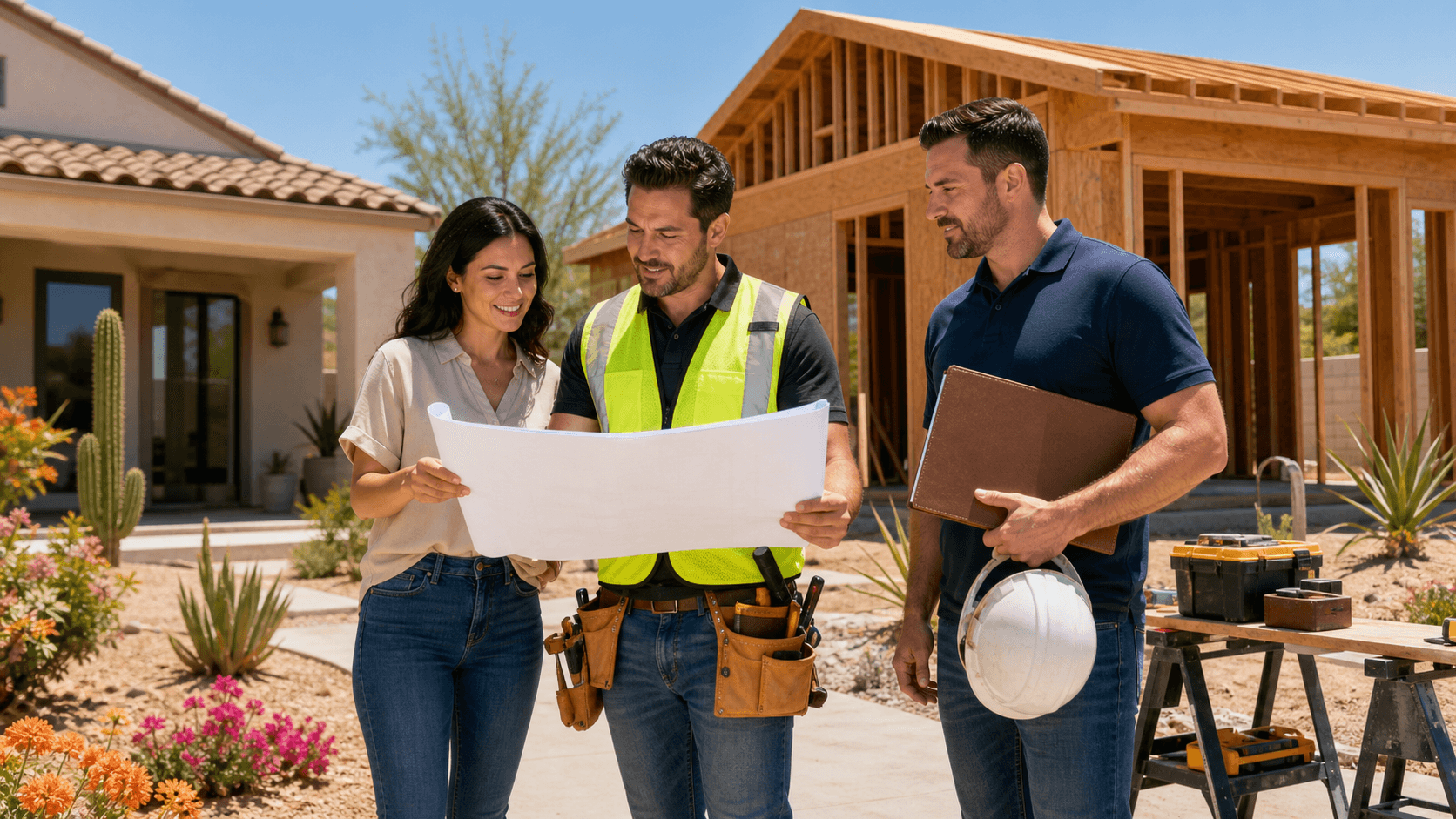
A turnkey ADU means one team handles everything from first sketch to move‑in‑ready casita. Design, engineering, permits, construction, inspections, and the final punch list are all under one roof, so you are not juggling separate architects, draftspeople, and contractors.
For busy Arizona homeowners, that single point of responsibility matters. You might be working full-time, caring for family, or planning to move parents in soon. A turnkey builder streamlines decisions, keeps communication clear, and reduces surprises.
In the Phoenix metro area, there are also local details to get right, such as:
- Heat and sun exposure
- Zoning rules about setbacks and height
- Utility connections for water, sewer, and electric
- HOA design guidelines and approvals
As a local builder, we are used to designing for intense sun, planning shaded entries, sizing AC correctly, and coordinating with cities and HOAs so you are not spending lunch breaks waiting in permit lines.
What Turnkey Really Includes for Arizona Casitas
With a true turnkey casita, you can expect a full-service process, typically starting with:
- Initial site visit and feasibility review
- Custom floor plan and exterior design
- Structural and civil engineering
- Permit submittal and follow‑up with the city
- Construction, inspections, and final walk‑through
Inside the casita, most homeowners in our area choose:
- A kitchenette or full small kitchen
- A complete bathroom
- HVAC sized for Arizona heat
- Insulation and windows suited to the sun
- Standard flooring, cabinets, and fixtures
Items that are often optional or upgraded include:
- Landscaping and new irrigation zones
- Patios, walkways, and other hardscape
- Built‑in cabinetry or custom closets
- Solar prep or EV charging infrastructure
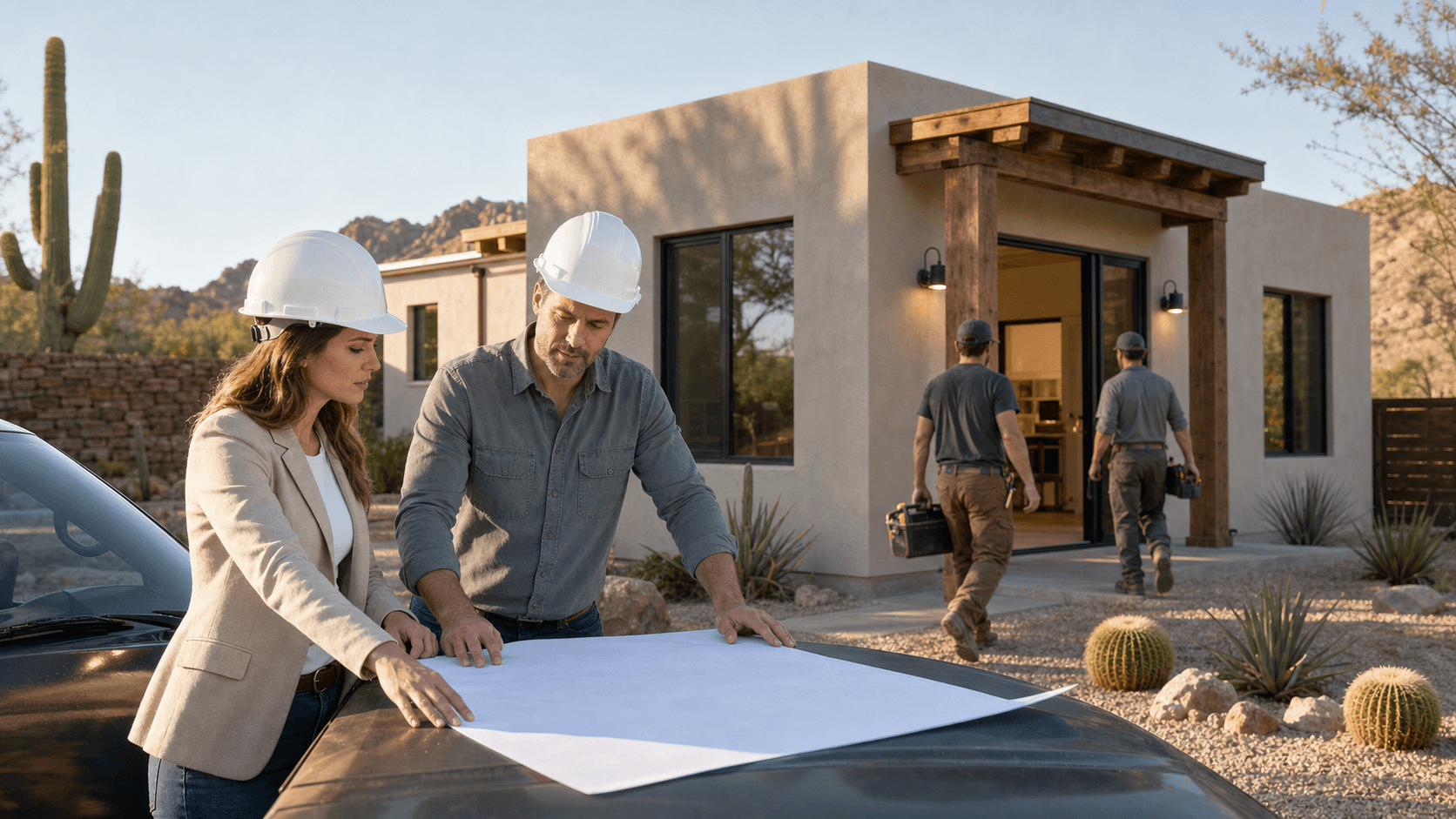
Across Phoenix, Scottsdale, Mesa, Chandler, Gilbert, Glendale, Peoria, and neighboring cities, we coordinate with planning and building departments for zoning, plan check, and inspections. In many projects, the only time the homeowner deals directly with the city is at the very end when they receive final documentation for their records.
Costs, Timelines, and Real Phoenix Project Examples
Every site is different, but there are typical cost patterns once we look at size, access, utility runs, and finishes. For a turnkey ADU in the Phoenix metro area, homeowners often ask about three common size ranges:
- Around 400 to 500 square feet for a studio
- Around 600 to 700 square feet for a one‑bedroom
- Around 750 to 1,000 square feet for a two‑bedroom
As of recent Phoenix projects, typical turnkey construction (excluding land) often falls roughly in these ranges:
- 400, 500 sq ft studio: approximately $185,000, $235,000+ turnkey, depending on finishes and site conditions
- 600, 700 sq ft one‑bedroom: approximately $225,000, $285,000+ turnkey
- 750, 1,000 sq ft two‑bedroom: approximately $260,000, $350,000+ turnkey
Within those sizes, costs are usually grouped into:
- Design and engineering
- Permits and impact or utility fees
- Site work, such as grading, trenching, and concrete
- Structure and framing
- Mechanical, electrical, and plumbing
- Interiors, finishes, and fixtures
- A contingency to cover small unknowns
For example, on a typical 480 sq ft studio in Phoenix, we often see a rough breakdown like:
- Design and engineering: $10,000, $18,000
- Permits, plan check, and city fees: $5,000, $12,000 (varies by city)
- Site work and utilities: $25,000, $45,000
- Structure, framing, and exterior shell: $70,000, $95,000
- Mechanical, electrical, and plumbing: $30,000, $45,000
- Interiors and finishes: $35,000, $50,000
- Contingency: typically 5, 10% of construction
Cost transparency comes from locking in as many details as possible before construction. We work toward firm pricing after design and engineering are complete, when scope is clear. That way, change orders are mostly limited to intentional upgrades, like choosing different countertops, instead of surprises from missed site conditions.
On timing, a typical turnkey ADU schedule in our area looks like:
- Pre‑design and feasibility: about 2 to 4 weeks
- Design and engineering: about 4 to 8 weeks
- Permitting: about 4 to 12 or more weeks, depending on city review speed
- Construction: about 3 to 6 months, depending on size and complexity
During permitting, cities review zoning, building safety, and utilities. We respond to comments, revise plans if needed, and resubmit, which helps keep your project from stalling.
Inspections usually land at these stages:
- Foundation and underground utilities
- Framing
- Rough mechanical, electrical, and plumbing
- Insulation
- Drywall and final inspection
During construction, you can expect weekday activity, noise from equipment, and trucks coming and going. We plan deliveries and staging so your main home stays as usable and accessible as possible.
To make this more concrete, here are two examples based on recent Phoenix metro projects. Each includes typical costs, timelines, and the kinds of visuals we provide.
Example 1: 480 sq ft Backyard Studio ADU in Phoenix
- Use: Home office and guest space
- Approximate footprint: 20 ft x 24 ft (480 sq ft)
- Layout: Combined living/sleeping area, small kitchen wall, full bathroom
Project visuals we provide:
- Before and after site photos showing the backyard, access path, and finished casita
- Interior and exterior photos once complete
- A simple 2D floor plan with dimensions (room sizes, door swings, window locations)
- A 3D exterior rendering that shows roofline, window placement, and entry steps or small porch
Cost breakdown (typical range):
- Total turnkey cost: roughly $195,000, $230,000
- Design and engineering: $12,000, $16,000
- Permits and city fees: $6,000, $9,000
- Site work and utilities (tight side yard access, rocky trenching): $30,000, $40,000
- Structure and framing: $75,000, $90,000
- Mechanical, electrical, plumbing: $30,000, $40,000
- Interiors and finishes: $35,000, $45,000
Timeline:
- Design and permitting: approximately 10, 14 weeks
- Active construction: approximately 14, 18 weeks after permits
Problems solved:
- Tight side yard access for equipment managed with smaller machinery and careful staging
- Rocky soil addressed with updated trenching methods and minor foundation adjustments
- Heat gain mitigated with strategic window placement, upgraded insulation, and properly sized HVAC
Example 2: 720 sq ft One‑Bedroom Casita in Gilbert for Aging Parents
- Use: Long-term residence for parents
- Approximate footprint: 24 ft x 30 ft (720 sq ft)
- Layout: One bedroom, accessible bathroom, living room, kitchen
Project visuals we provide:
- Site photography from multiple angles to show relationship to main home
- Interior finish photos (kitchen, bath, bedroom, accessible details)
- 2D floor plans with clear room dimensions and door clearances for accessibility
- Simple 3D exterior views to study how the casita roof ties into the main home style
Cost breakdown (typical range):
- Total turnkey cost: roughly $245,000, $305,000
- Design and engineering (including accessibility detailing): $14,000, $20,000
- Permits and city fees: $7,000, $11,000
- Site work, utilities, and accessibility-related flatwork: $35,000, $50,000
- Structure and framing: $90,000, $105,000
- Mechanical, electrical, plumbing: $40,000, $50,000
- Interiors and finishes: $45,000, $70,000 (depending on cabinetry and bath upgrades)
Timeline:
- Design and permitting: approximately 12, 16 weeks
- Construction: typically 5, 6 months
Problems solved:
- Privacy increased with careful window placement, fencing, and landscaping
- Accessibility improved with wider doorways, low or no steps, and bathroom grab bar blocking in the walls
- Extra soundproofing between bedroom and living areas and toward neighboring homes
- Utility routing and grading adjusted for monsoon drainage requirements and HOA design approvals
Floorplans, Layout Choices, and Design Pros/Cons
Choosing the right floor plan starts with how you plan to use the casita. Common turnkey ADU layouts include:
- Open studio for flexible office, guest, or workout use
- One‑bedroom for long‑term family or rental
- Two‑bedroom for multigenerational living
- Above‑garage units where lot size is tight
- Garage conversions when you value interior space more than parking
For each option, there are tradeoffs:
- Studio
· Pros: Smaller footprint, lower cost, very flexible use, easier to permit on tight lots
· Cons: Less privacy for guests or tenants, harder to separate sleeping and living areas
- One‑bedroom
· Pros: Clear sleeping area, better for long‑term stays or rentals, higher rental rates
· Cons: Slightly higher cost and larger footprint than a studio
- Two‑bedroom
· Pros: Best for multigenerational living or small families, strong resale appeal
· Cons: Highest cost and more zoning/setback constraints on smaller lots
For Arizona living, design choices like shaded entries, roof overhangs, window orientation, and insulation levels make a noticeable difference in comfort. Many homeowners also like mini‑split or zoned HVAC so different rooms can be cooled separately.
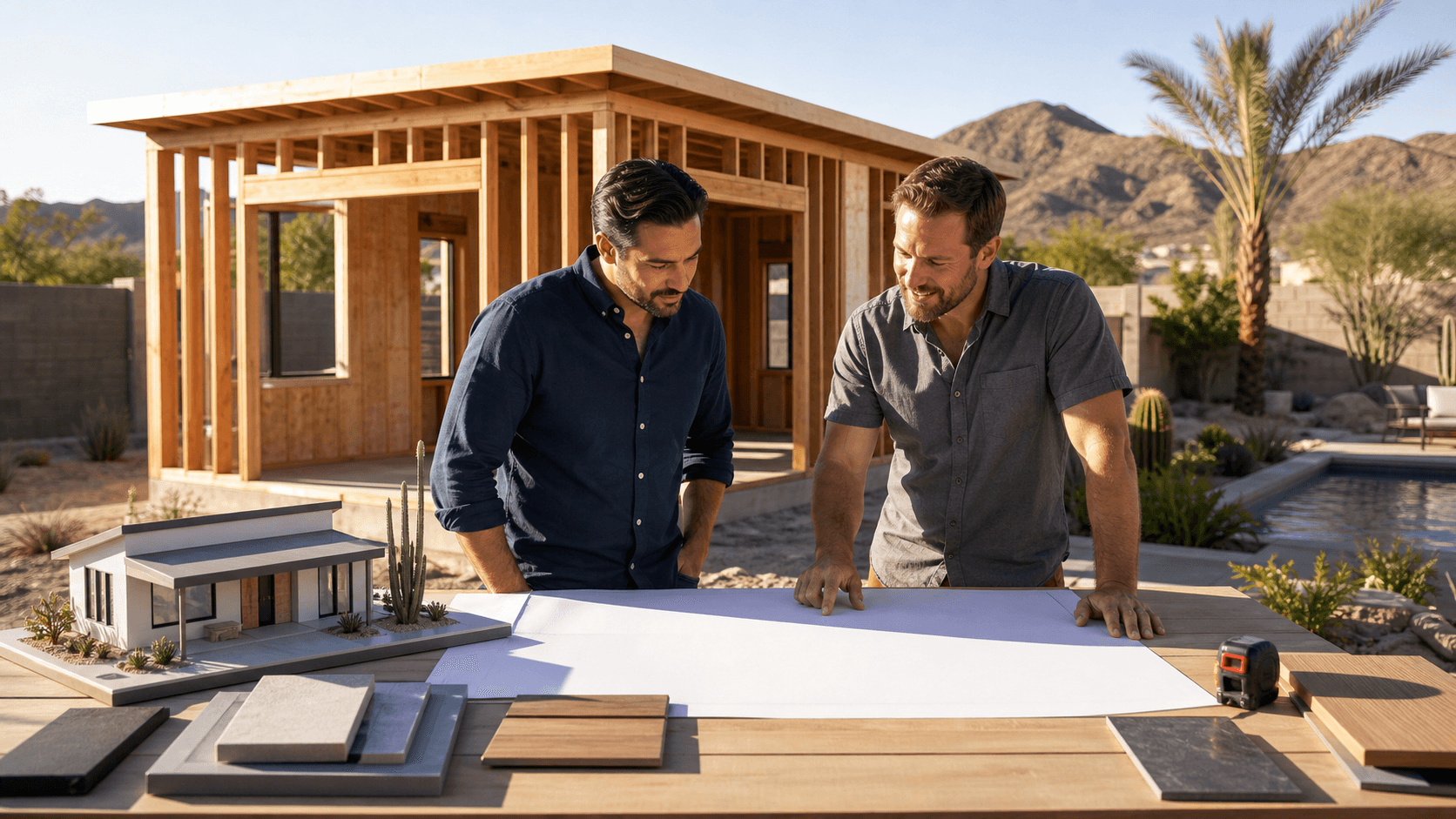
We rely on scaled floor plans with room dimensions, door swings, and clearances to talk through furniture, storage, and accessibility before concrete is poured. For example, in a 480 sq ft studio, you might see:
- Main living/sleeping area: approximately 14 ft x 18 ft
- Kitchen wall: 10, 12 linear feet of cabinets and appliances
- Bathroom: 5 ft x 8 ft with a 30, 32 inch door
Renderings and simple sketches help you see how natural light moves through the space and how people will move from the main home to the casita. We include both 2D and 3D views in our standard design package.
ROI, Rental Potential, and Financing
Because ADUs are often a major investment, ROI and long‑term value are common topics. A well-planned, code‑compliant casita can increase resale appeal, especially when buyers see a flexible, fully permitted space.
In the Phoenix metro area, homeowners often see rental income potential like:
- Long‑term leases: for example, a 1‑bedroom casita might rent for $1,400, $1,900 per month, depending on location and finishes
- Furnished mid‑term stays: potentially higher monthly rates for traveling nurses or temporary work assignments
- Caregiver or family suites with informal cost sharing that offsets part of the mortgage or living expenses
On a hypothetical $260,000 one‑bedroom casita that rents for $1,600/month, gross annual rent would be about $19,200. After taxes, insurance, and maintenance, many owners target a simple payback period in the 12, 18 year range, depending on financing terms and occupancy.
Local rules on short‑term rentals can vary, so it is important to understand what is allowed in your city or HOA. On the financing side, homeowners often explore options like HELOCs, cash‑out refinances, renovation loans, or products designed for ADU construction. A clear, line‑item turnkey proposal supports lenders and appraisers by showing scope and costs in detail.
Common Arizona ADU FAQs
How small or large can my casita be, and where can it go on my lot?
This depends on your city and zoning. Many Phoenix‑area jurisdictions allow detached casitas in the 400, 1,000+ sq ft range, subject to lot coverage, setbacks (distance from property lines), and height limits. During our feasibility visit, we measure your lot, review zoning maps, and sketch one or more compliant building areas.
Do I need covered parking or extra spaces, and will my garage count change?
Some cities require additional on‑site parking when an ADU is added, while others reduce or waive parking near transit. If you convert an existing garage, the city may ask for replacement parking elsewhere on the lot. We confirm current parking rules with your planning department before finalizing layout.
Can I legally rent the casita, and what permits or inspections make it an approved rental?
A casita must be fully permitted and pass all inspections to be considered a legal dwelling or rental. Some cities also require rental registrations or inspections. We design and build to residential code from the start, pull all required permits, and provide final inspection documentation you can show to appraisers, buyers, or city staff.
Will utilities be on separate meters or shared with my main house, and do I need an electrical panel upgrade or new sewer tie‑in?
Most homeowners in our market choose to share water, sewer, and electric with the main house, billed together. In some cases, separate electric meters make sense for rentals. We review your existing panel size, typical loads, and sewer location during feasibility; if an upgrade or new tie‑in is needed, we include that cost in your line‑item proposal.
What if the city or HOA asks for design changes after plans are submitted?
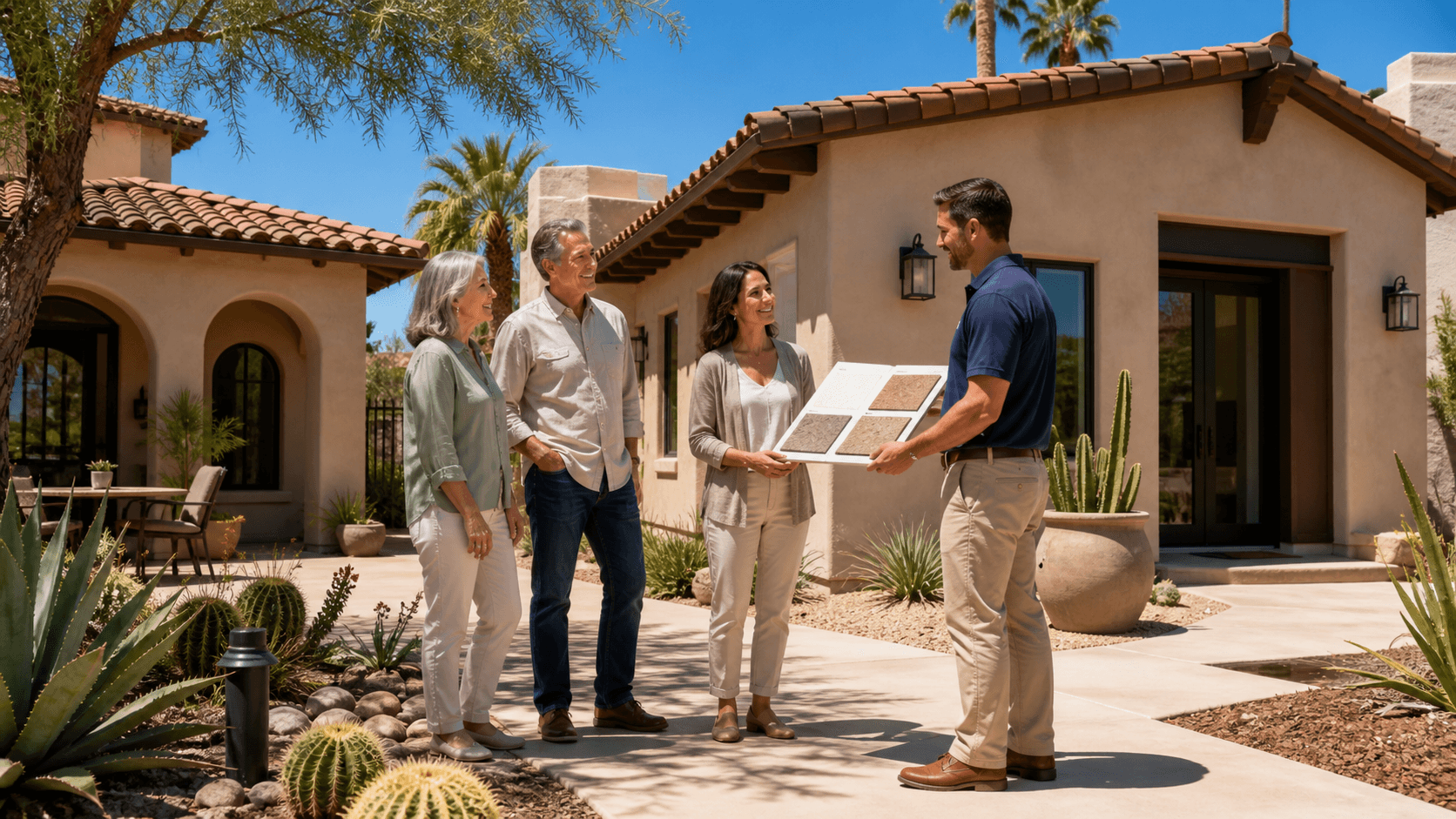
It is common for cities or HOAs to request adjustments to elevations, materials, or landscaping. As your turnkey builder, we handle these comments, revise plans, and resubmit on your behalf. We flag any change that affects cost or schedule and review it with you before proceeding.
How are change orders handled if I decide to upgrade finishes once construction has started?
Change orders are documented in writing with a clear description, added or reduced cost, and any schedule impact. Many clients choose to upgrade items like countertops, tile, or built‑ins during the build; we provide pricing options so you can compare the value of each upgrade.
With a turnkey builder, these questions are answered within a single team, rather than by separate consultants, which keeps your project focused and moving toward a finished casita that fits Arizona living and your specific goals.
Get Started With Your Project Today
If you are ready to add long-term value and flexible living space to your property, we are here to help you take the next step with confidence. Explore how our turnkey ADU process handles design, permits, and construction from start to finish. At Prime Builders, we focus on clear communication, predictable timelines, and a streamlined experience. Reach out today so we can review your goals, assess your property, and map out a tailored plan that fits your budget and schedule.